The history of the Fiat 500 (Cinquecento): from people’s car to design icon
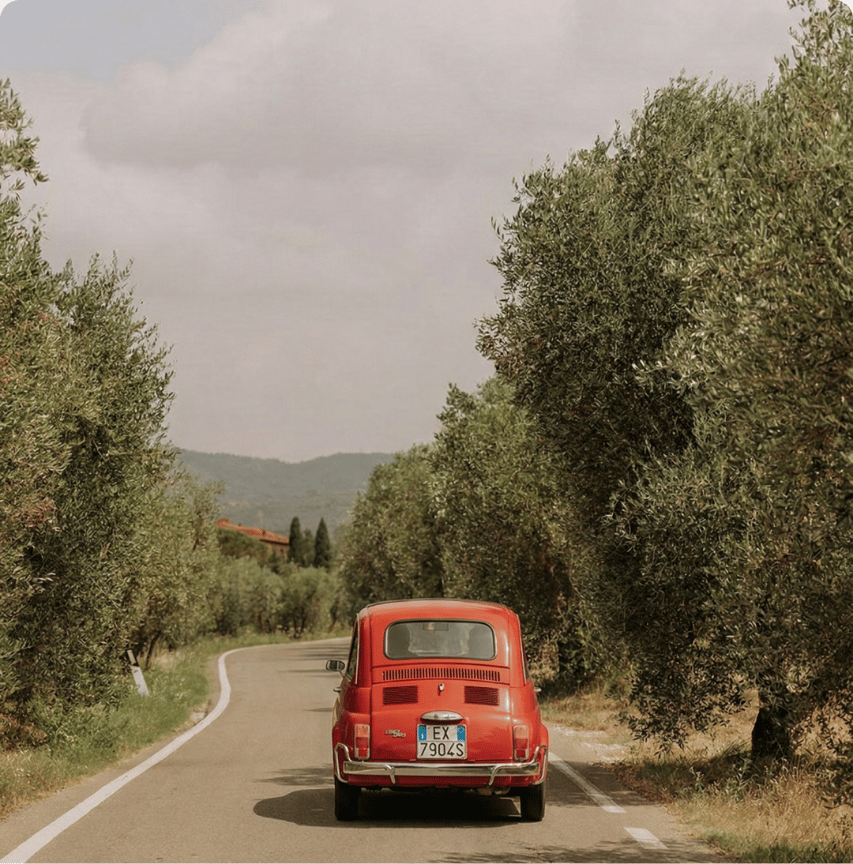
There are few cars whose shape you could draw from memory with your eyes closed. The Fiat 500, affectionately known in Italy as the Cinquecento, is one of them. Round, small, with those two circular headlights that almost look like a face. The silhouette has stayed instantly recognisable for nearly seventy years, even though half a century separates the original from the car on the road today. This is the story of how a small, spartan little car grew into one of Italy’s greatest design icons.
1957: the birth of the Nuova 500
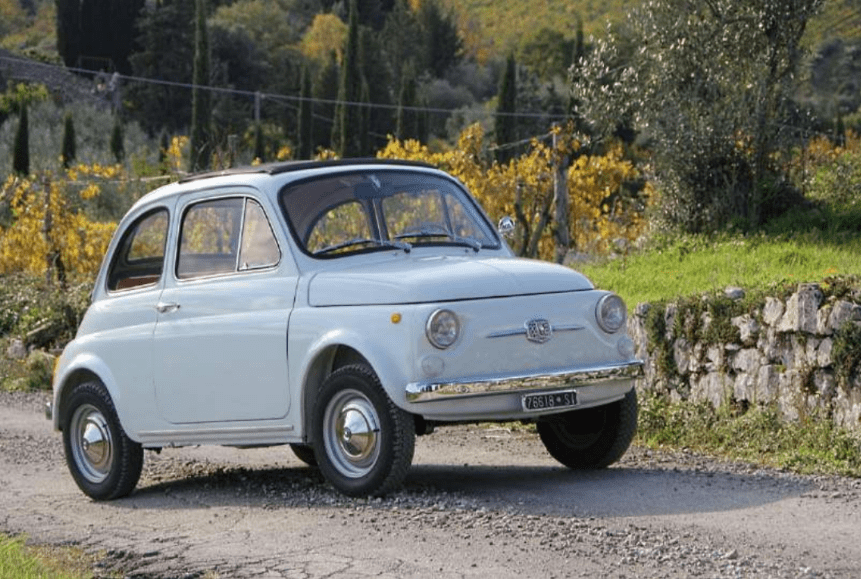
On 4 July 1957, the first Fiat Nuova 500 rolled off the line at the Lingotto factory in Turin. Italy was in the midst of rebuilding after the war, and Fiat saw growing demand for a car that was genuinely within reach of an ordinary family. Engineer Dante Giacosa, who had already designed the 500’s predecessor, the Topolino, was given the brief: create a car small, cheap and simple enough for almost anyone to maintain.
The result was strikingly minimalist. An air-cooled, rear-mounted two-cylinder engine of 479cc, producing 13hp and a top speed of 85 km/h. There wasn’t even room for a fuel gauge. On paper, the 500 was a two-seater, but Fiat quickly solved that with a padded rear bench, allowing the car to be registered as a four-seater instead, provided the rear passengers weren’t too tall.
A car that changed the country
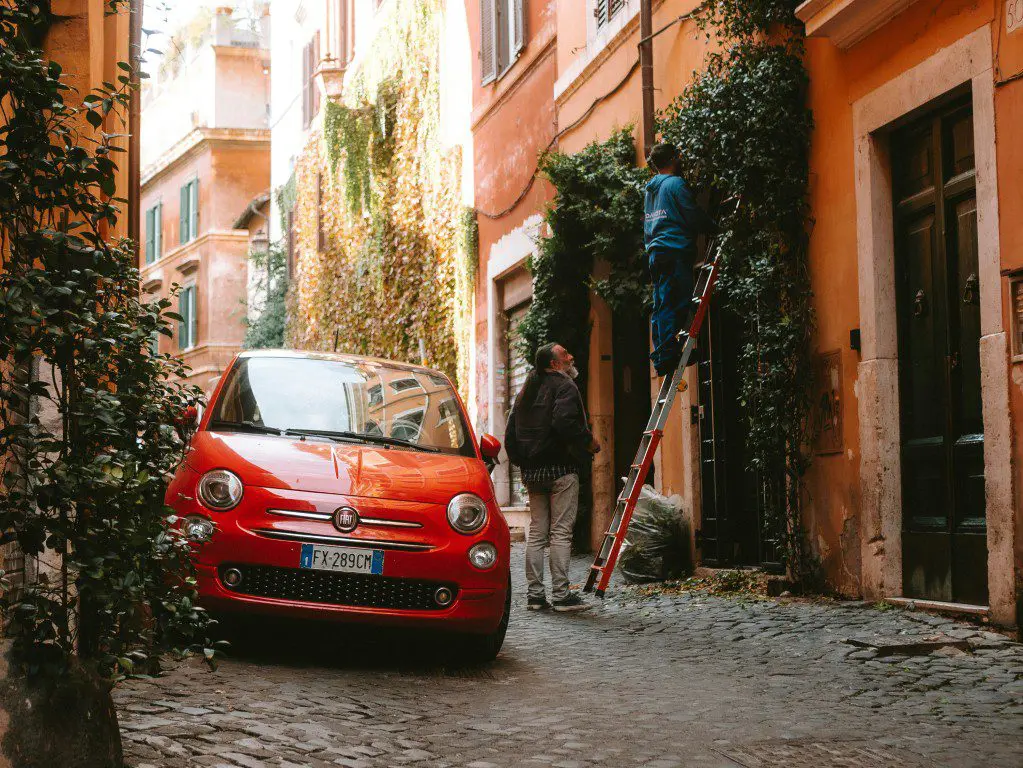
The Nuova 500 quickly became more than a city car. It fitted down the narrowest streets of Rome, was light enough to nudge aside by hand if it was blocking a parking space, and became the first car millions of Italians ever owned. That’s exactly why the Cinquecento grew into a symbol of Italy’s “miracolo economico”, the economic recovery of the 1950s and 60s, and of the relaxed, carefree lifestyle that would later be called “la dolce vita”.
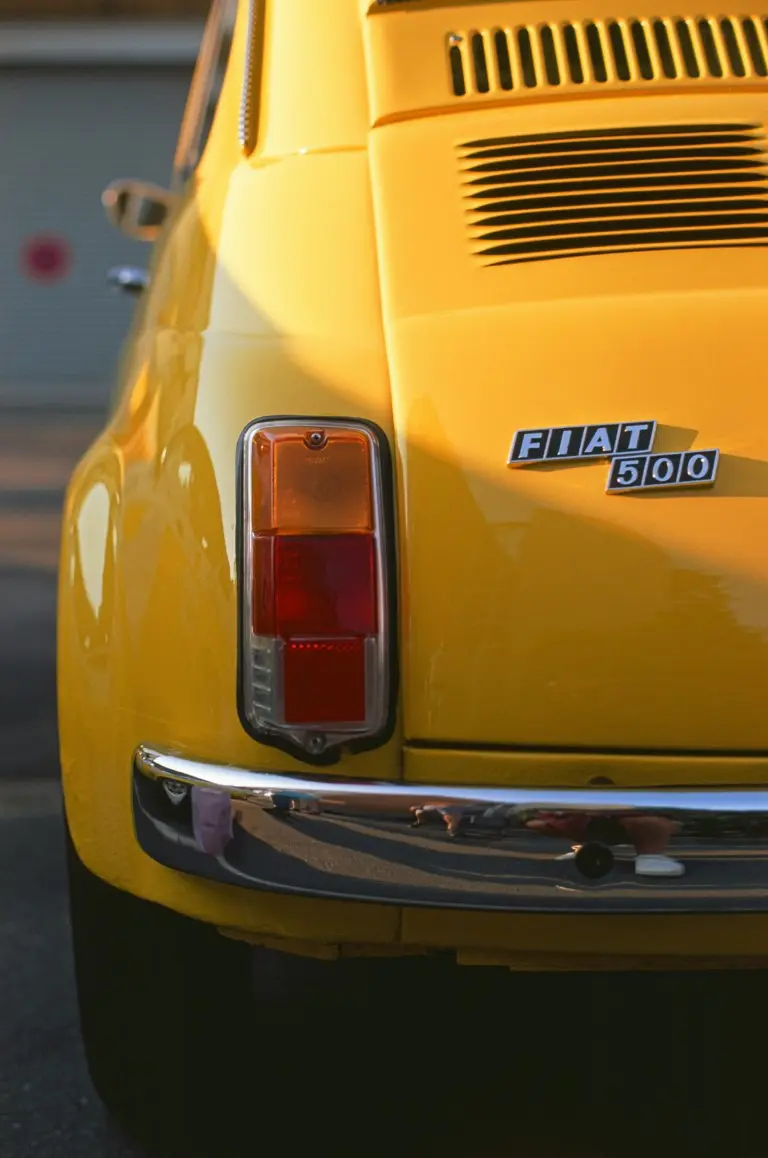
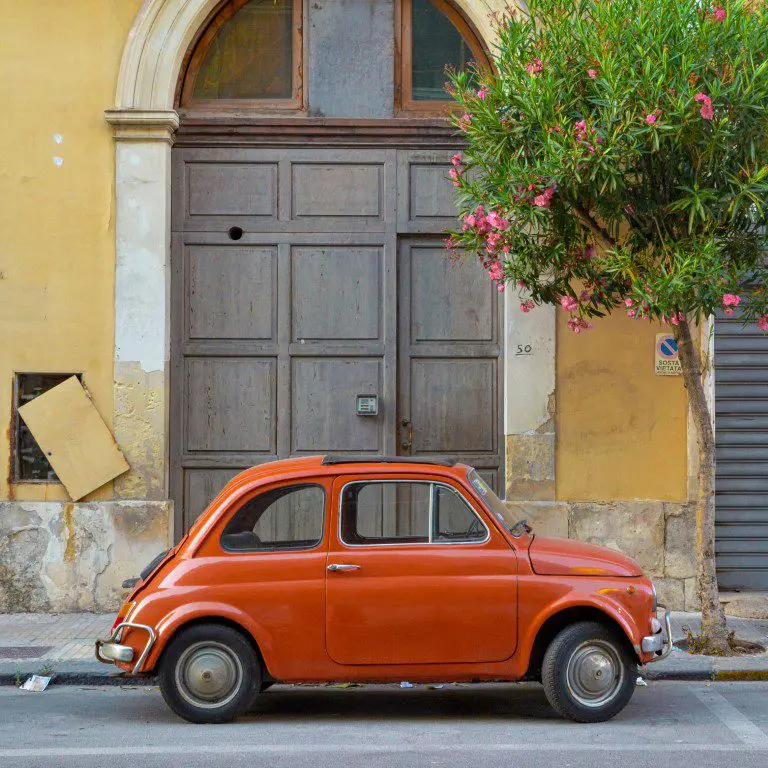
Over the eighteen years the car stayed in production, it took several forms: the original Nuova 500 (1957-1960), the 500 D with slightly more power (1960-1965), the 500 F with doors that finally opened forwards rather than backwards (1965-1972), the more luxurious 500 L “Lusso” (1968-1972), and finally the 500 R (1972-1975), with a larger engine and parts borrowed from the newer Fiat 126. Special versions appeared too, including the open-sided “Jolly” beach car built by coachbuilder Ghia, and an Austrian-built variant made by Steyr-Puch.
Recognition as a design icon
In 1959, just two years after launch, Dante Giacosa won the Compasso d’Oro, Italy’s most prestigious industrial design award, for his work on the 500. It was the first time a car manufacturer had ever received the prize. Today, the 500 is mentioned in the same breath as other iconic small cars of the twentieth century, such as the Citroën 2CV, the Mini and the Volkswagen Beetle: cars that made their mark not through speed or luxury, but through character.
By the time production ended in 1975, more than 3.8 million examples had been built. For a car intended as simple transport for the masses, the 500 carved out a surprisingly lasting place in Italy’s collective memory.
2007: The rebirth
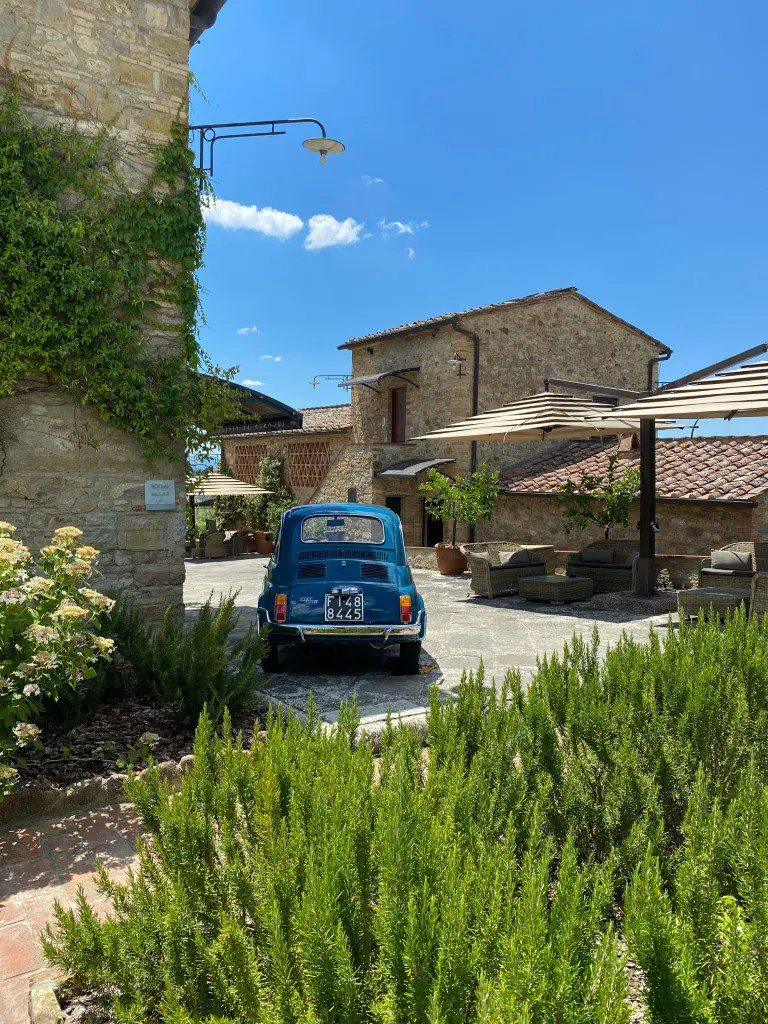
Nearly thirty years after the original went out of production, Fiat decided to bring the 500 back. Development began in 2003 under designer Roberto Giolito, and the concept, named Trepiùno, was unveiled at the 2004 Geneva Motor Show. The response was so positive that Fiat decided to put it into production. The public was even actively involved in the design: visitors to a dedicated website could submit suggestions, and the site drew nearly four million visitors in its first year alone.
On 4 July 2007, exactly fifty years after the original launch, Fiat unveiled the new 500. Unlike the original, this version had its engine at the front rather than the rear, built on a modern platform, but with styling that clearly echoed 1957: the same round headlights, the same friendly, compact shape. The new 500 was named Car of the Year 2008, and was the first car in its class to achieve the maximum five-star Euro NCAP safety rating. More than 200,000 units were built in its first year of production alone.
The family has only grown since, with a convertible (500C), a larger five-door (500L), a crossover (500X), and, since 2021, a fully electric version. In 2017, to mark the Cinquecento’s sixtieth anniversary, Fiat released the 500 Anniversario: a special edition in two exterior colours, “Sicilia Orange” and “Riviera Green”, both directly inspired by the original 1957 colour palette. The 1957 silhouette remains, after all these years and all these variants, unmistakably the same.